Interior Design for Beginners: Where to Start When You Have No Idea
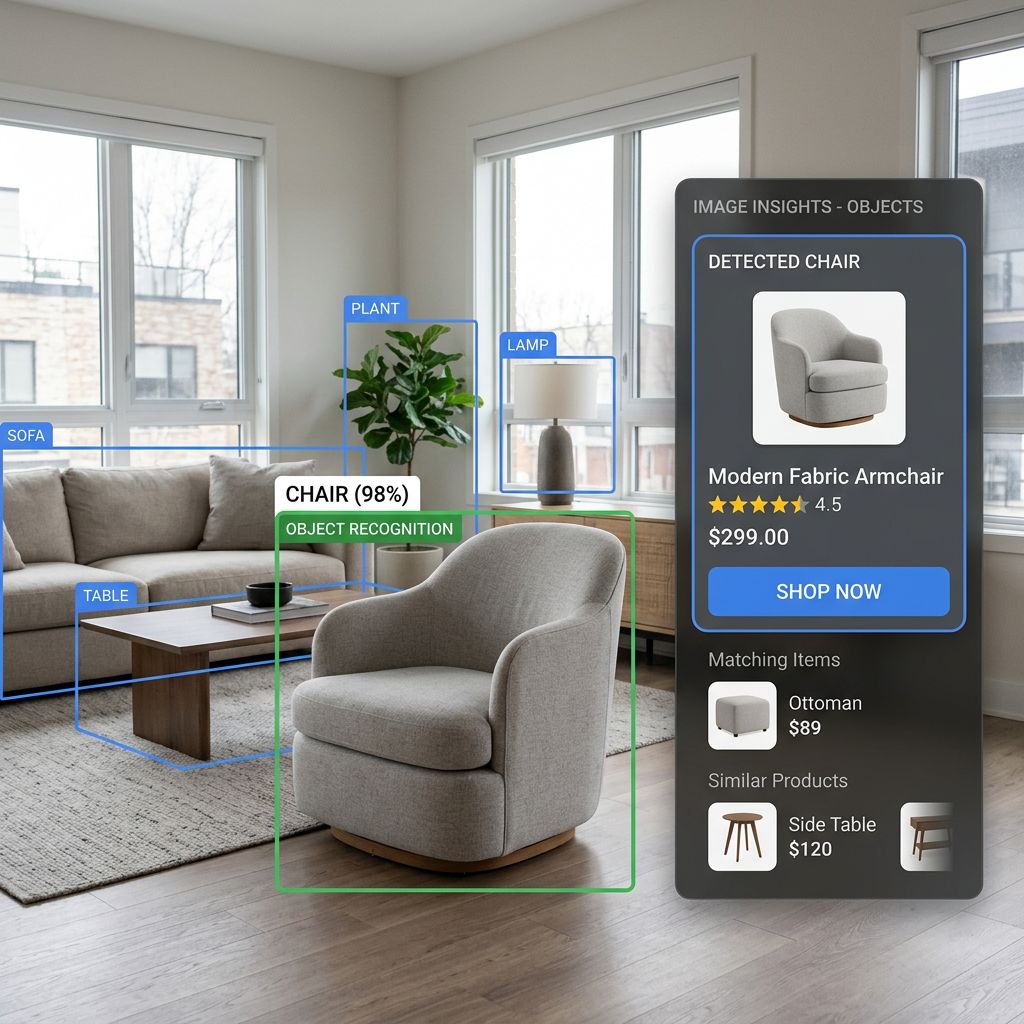

The first question to ask about any room is not "what should it look like?" but "what does it need to do?" A living room that hosts movie nights has different requirements than one used primarily for reading. A bedroom that doubles as a home office needs different furniture placement than one used only for sleeping. Before you buy a single item or choose a single color, write down every activity that needs to happen in the room. That list becomes your design brief.
Once you know the function, you know what furniture pieces are non-negotiable. A home office needs a desk with good lighting. A family living room needs durable seating for multiple people. A bedroom optimized for sleep needs blackout options and minimal visual clutter. Function first — aesthetics follow.
Identify Your Style Before Spending Money
Most beginners make one expensive mistake: they buy pieces they love individually without a unifying vision, and end up with a room that feels chaotic. The solution is to identify your design style before purchasing anything.
This doesn't require a design degree. A 60-second style quiz — like the one available at AI Room Decor — can analyze your preferences and point you toward the design language that already resonates with you. Are you drawn to clean lines and natural materials? That's Scandinavian. Warm layers and global patterns? That's bohemian. Exposed metal and raw wood? Industrial. Knowing your style gives every subsequent decision a filter: does this piece fit my style, or does it fight it?
The Anchor Piece Rule
Every room needs an anchor piece — the item everything else responds to. In a living room, it's almost always the sofa. In a bedroom, it's the bed frame. In a dining room, it's the table. The anchor piece should be your best investment because it's the hardest thing to replace and everything else is sized and chosen relative to it.
Choose your anchor piece first. Choose it in the dominant color or material of your intended palette. Then layer everything else around it.
Layer From the Ground Up
Professional designers build rooms in layers: floor, large furniture, small furniture, textiles, lighting, art, accessories. Following this sequence prevents the most common beginner problem — buying accessories before establishing the foundation.
Start with the rug. The rug defines the zone and anchors the furniture arrangement. Then place your large furniture. Then secondary seating or storage pieces. Then textiles — cushions, throws, curtains. Then lighting. Then wall art. Then plants and accessories last.
Each layer should respond to the ones below it. The cushion colors should reference colors already present in the rug or a piece of art. The lamp height should relate to the sofa arm height. Everything is in conversation.
Use AI Room Design to Visualize Before Buying
Here's where technology changes the game for beginners: you no longer have to guess how a room will look. AI room design tools like AI Room Decor let you upload a photo of your current room and instantly generate professional redesigns in any of 40+ styles — before you spend a dollar.
This matters enormously for beginners because the most expensive mistakes come from buying furniture without being able to visualize it in the actual space. A sofa that looks perfect in a showroom can look completely wrong in your specific room. AI room design eliminates that guesswork. You can test a Scandinavian redesign, a bohemian redesign, and a minimalist redesign of your actual room in minutes, compare all four outputs side by side, and then go shopping with a clear visual reference.
The process is simple: photograph your room, upload it, select a style or let the tool suggest one based on your quiz results, and receive multiple redesign variations instantly. Each variation shows realistic furniture arrangements, color palettes, and styling — specific enough to create a shopping list from.
The Most Common Beginner Mistakes
Buying the rug too small is the most universal beginner mistake. The rug should be large enough that at least the front legs of all major seating sit on it. When in doubt, go larger. A rug that's too small makes a room feel cheap and disconnected even when everything else is right.
Hanging art too high is a close second. Art should be hung so the center of the piece is at eye level — roughly 57 to 60 inches from the floor. Beginners consistently hang art too high, which makes ceilings feel lower and the art feel disconnected from the furniture below it.
Ignoring lighting is the third major mistake. Overhead lighting alone creates a flat, institutional feel. Every well-designed room has at least three light sources: ambient (ceiling), task (floor or table lamp), and accent (a smaller lamp or sconce that adds warmth). Layering light transforms a room more than almost any other change.
Buying everything at once creates rooms that feel generic. The best rooms are assembled over time, with pieces added intentionally as the right items are found. Give yourself permission to live with a not-quite-finished room rather than filling it with items that are merely adequate.
A Repeatable Starting Framework
When you don't know where to start, use this sequence: define the function, identify https://holdenmueq284.fotosdefrases.com/interior-design-for-beginners-where-to-start-when-you-have-no-idea your style, choose an anchor piece, use AI room design to visualize the full space before buying, then layer in the sequence of rug, large furniture, small furniture, textiles, lighting, art, accessories. Each step narrows the decisions in the next step. By the time you reach accessories, you're choosing between things that obviously fit and things that obviously don't — not staring at an open canvas wondering where to begin.
Interior design has a learning curve, but it's not steep. The principles are simple and the tools available today — including AI visualization — make it easier than it's ever been to see where you're going before you get there.